



Bubble Wraps: Types, Features, and Uses


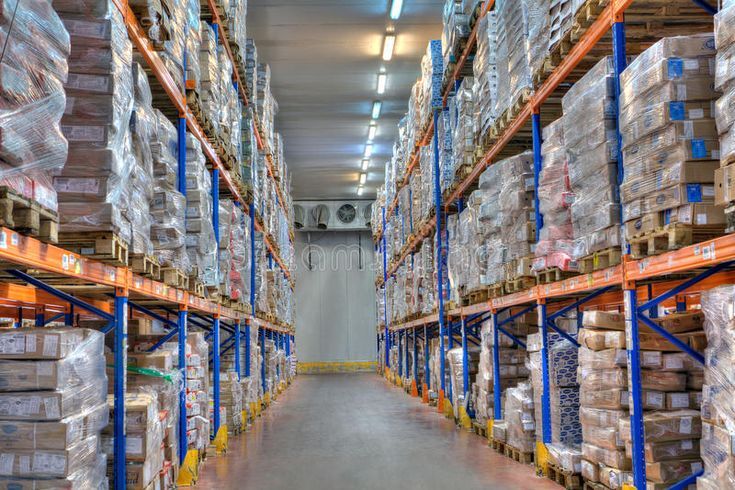
Bubble wraps are a popular form of packaging material used for protecting products during handling, warehousing, and shipping. This is composed of light polyethylene film with air bubbles, which form a shock-absorbing barrier against damage from shock, vibration, or pressure. These packaging materials offer numerous benefits across various processes involved in product packaging.
This ranges from light consumer products to the packaging requirements of industrial components. Bubble wraps serve as versatile packaging solutions for a variety of packaging services. Their ability to shield items from scratching damage during shocks is essential for their use in shipping packages and fulfilling online orders as well as warehousing products for an extended period.
What are Bubble Wraps?
These are cushioning packaging materials that are made of polyethylene film with bubbles evenly spaced and filled with air. These bubbles serve as cushions to absorb the shocks and reduce the impact of drops and pressure during handling and transportation. The bubble wrap is used to protect items from physical damage and moisture exposure.

Their lightweight structure adds minimal shipment weight and offers reliable protection with packaging technology. Bubble wraps can be wrapped tightly on almost all product shapes and sizes, which makes them ideal for fragile and lightweight products.
How Bubble Wraps Work in Protective Packaging?
The bubble wraps protect the products with their simple but efficient mechanism of cushioning. The compression of bubbles absorbs the shock to reduce the rate of cracks or breakage, rather than allowing the force of the impact to reach the product directly. This structure further improves resistance to impact by distributing the force across a larger surface area.
The bubble wraps protect against scratching and surface damage. The smooth plastic film avoids friction between products and packaging materials as well as the delicate surfaces of items during shipping.
Types of Bubble Wraps
Bubble wraps are available in different types that serve the various packaging requirements. All the different types of bubble wraps are intended to provide a unique level of protection for the product as well as the desired level of handling ease.
Small Bubble Wraps

Small bubble wrap has a dense distribution of air bubbles around 3/16 inch in diameter, which is ideal for protecting lightweight and fragile products. This bubble wrap offers a gentle touch that protects glassware and electronics accessories, as well as decorative items.
Small bubble wrap packaging is ideal when product surface protection is a concern, as the technology protects against scratches and slight scratches. The flexible nature of small bubble wrap packaging enables the material to closely wrap irregularly shaped products without adding any extra packaging material.
Large Bubble Wraps
Large bubble wraps have larger bubbles that usually have sizes of 1/2 inch or larger. The bubble wraps are appropriate for heavy-duty items like appliances, furniture parts, as well as bulk packages. The size of the bubbles can withstand greater impact, which makes them ideal for long-distance shipping.

This type of bubble wrap should be used when impact resistance is of greater importance than appearance. Large bubble cushioning can also help to reduce movement in packages to prevent the shifting of products.
Anti-Static Bubble Wraps

Anti-static bubble wraps are designed in a way that they protect electronic devices from the effects of static electricity. The bubble wraps contain additives that are anti-static in nature and help in controlling the discharge of static electricity that can affect circuit boards and electronic devices.
Anti-static bubble wraps provide the same level of protection as the regular bubble wraps because they are also used for cushioning. These bubble wraps are used in the packaging of computer parts and medical equipment.
Perforated Bubble Wraps
Perforated bubble wraps have evenly spaced perforated lines that can be easily torn without any need for assistance. This improves packaging efficiency because it allows easy separation of packaging sheets based on item size.

These packaging materials are large packaging operations, such as storage facilities. Perforated bubble wraps have consistent protection and are free from material waste and packaging time issues. These bubble wraps are applicable for packaging small to medium items.
Self-Sealing Bubble Wraps
Self-sealing bubble wrap has an adhesive that enables the material to seal itself, which means that the material can seal itself in the absence of any assistance, such as the use of tapes or fasteners.

The main advantage of the self-sealing bubble wrap is the speed at which it allows the process of packaging to be completed, as well as the cleanliness of the packaging process, as the bubble wrap seals itself, which leaves the packaging process appearing more attractive by being neat.
Key Features of Bubble Wraps
Bubble wraps are produced with a thin yet strong plastic coating that ensures stronger packaging without adding extra weight to the packaging. The bubbles in bubble wraps not only make them flexible but also resistant to moisture and dust. This is a deal for protecting items against environmental factors when packaging and storing them.
Handling and storage of bubble wraps are quite efficient, which makes them ideal for use in packaging processes in any company, whether large or small in size. Bubble wrap is a relatively inexpensive packaging material. Their use is more reliable in terms of cost when compared to other types of packaging supplies available in the market.
Common Uses of Bubble Wraps

Bubble wrap is applied in various sectors to protect goods against damage when handling and transporting them. The versatility of the wrap makes it suitable not only for packaging purposes but also for protection.
-
Bubble Wraps for Shipping & Logistics
Bubble packaging materials are used to cushion and protect products from shock, vibrations, and pressures during shipping. These materials are ideal for shipping fragile items, for lining boxes, and for filling boxes that are partially packed with products.
These bubble materials are effective in minimizing movement inside packaged products, which reduces breakage. These materials are very lightweight and inexpensive to ship. Logistics companies employ bubble materials for shipping products both locally and internationally.
-
Bubble Wraps for E-commerce Packaging
Bubble wraps are an important component in ecommerce packaging that helps secure individual products during the final stage of delivery. The materials are used in preventing scratches and damage, which would otherwise translate to returns for customers.
Online businesses apply bubble wraps to secure electronics and accessories. The elasticity of these materials ensures they are wrapped tightly around products of various shapes. These materials are used in packing and are efficient in high-volume order fulfillment without adding weight.
-
Bubble Wraps for Storage & Moving
The use of bubble wraps is an effective method of protecting the concerned items from damage caused by physical contact as well as from the external environment for the purpose of storing or relocating merchandise.
These wraps are commonly used for packaging furniture as well as glass items such as artwork. The use of bubble wraps acts as an anti-friction agent that inhibits the scratching of the items as a result of physical contact. These wraps also possess moisture-resistance properties.
-
Bubble Wraps for Industrial & Commercial Use
Variants of bubble wraps are employed in industry and business to protect components and products during transport and storage. These items have been employed by industries to protect components and products during internal dispatch and movement.
They are employed to create space between items stacked on top of each other and to line pallets. The common application of bubble wrap is to cover surfaces that are in contact with machine components to prevent scratches.
Are Bubble Wraps Recyclable?
Bubble wraps are recyclable but they cannot be placed in standard curbside recycling bins in most areas. They need a separate site for disposing of them because some of the eco-friendly bubble wrap can be recycled. This will ensure that they do not contribute to environmental degradation and can be reused.
Bubble Wraps vs Other Protective Packaging Materials
| Feature | Bubble Wraps | Other Protective Materials |
| Cushioning | Air-filled bubbles for shock absorption | Foam sheets or paper provide varying levels of cushioning |
| Flexibility | Conforms to irregular shapes easily | Foam sheets and cardboard are less flexible for shipping packaging material |
| Weight | Lightweight, reduces shipping cost | Foam and paper can add bulk or weight |
| Surface Protection | Protects against scratches and minor damage | Paper and peanuts may not prevent surface abrasions |
| Storage | Compact and easy to store | Bulky foam and peanuts require more space |
Bubble Wraps vs Packing Peanuts
| Feature | Bubble Wraps | Packing Peanuts |
| Cushioning | Provides consistent shock absorption | Loose fill; may shift during transport |
| Cleanliness | Clean and easy to wrap | Messy; can cling to items and surfaces |
| Reusability | Reusable multiple times | Harder to reuse; breaks apart easily |
| Handling | Easy to cut and wrap | Requires filling and adjusting in boxes |
| Protection | Excellent for fragile surfaces | Good for void filling, but less surface protection |
-
Bubble Wraps vs Foam Sheets
| Feature | Bubble Wraps | Foam Sheets |
| Cushioning | Air-filled bubbles absorb shocks and impacts effectively | Dense material provides firm cushioning but less impact dispersion |
| Weight | Lightweight and adds minimal shipping weight | Heavier, may increase shipping costs for large volumes |
| Storage | Rolls compactly and is easy to store | Bulkier and require more storage space |
| Reusability | Can be reused multiple times | Reusable but may compress or lose cushioning over time |
| Cost | Affordable for small and large-scale packaging | Often more expensive than bubble wraps for equivalent protection |
Why Choose High-Quality Bubble Wraps for Packaging?
The best quality bubble wrap guarantees a reliable level of protection and reliability for wrapping any sort of product. Bubble wrap provides an equal level of protection to the product by absorbing shock effects. This prevents any damage to the item being transported or stored.
It also protects the product from any sort of tear and dust, which keeps the product safe and clean. The usage of the best quality bubble wrap maximizes customer satisfaction by preventing the product from being damaged or being sent back.